
Executive Summary:
• Photon‑counting - Siemens Healthineers recieves FDA clearance for expanded NAEOTOM Alpha class; delivers higher spatial resolution, intrinsic spectral data lower dose and no electronic noise.
• CMS dose‑tracking rule shifts - Mandatory radiation‑dose reporting delayed indefinitely; voluntary participation continues due to feasibility and operational‑burden concerns.
• Lung cancer screening surges - Reimbursement increases; eligibility expands (age 50, 20‑pack‑year history), driving demand for low‑dose CT systems and mobile screening programs.
• Mobile CT adoption rises — ICU teams increasingly rely on point‑of‑care head CT to reduce transport risk, save staff time and accelerate care for trauma and neuro patients.
•CT suite experience - Providers transform imaging rooms with lighting, art and projection tech to reduce anxiety, especially for pediatric patients, improving both patient comfort and technologist workflow.
If it’s been a few years since your team has opted for a new Computed Tomography (CT) scanner, you might be surprised by the progress the technology has made.
New best practices that seek to enhance the patient experience like never before are being deployed regularly not just in large health systems, but even in smaller facilities where a state-of-the-art experience was once out of reach. And brand-new scientific breakthroughs have redefined the traditional limits of CT systems.
Let’s look at some of the trends that have defined CT in recent years, as well as look ahead to see what the future holds for 2026 and beyond.
Photon-Counting Unleashed
The biggest development in the world of CT is a complete rethink of how the underlying technology actually works.
Photon-counting CT was introduced by Siemens Healthineers in the form of the NAEOTOM Alpha, which received 510(K) clearance from the Food and Drug Administration (FDA) toward the end of 2021. That portfolio was further expanded at RSNA 2024.
Now, that portfolio has received FDA clearance. The new product class includes the NAEOTOM Alpha.Pro, a second dual-source CT scanner; and the NAEOTOM Alpha.Prime, the world’s first single-source scanner with photon-counting CT technology. Since 2021, the Naeotom Alpha has been the only commercially available system with this technology for clinical use, and more than 1 million patients have been scanned worldwide. Now called the NAEOTOM Alpha.Peak, this pioneering dual-source scanner will remain part of the NAEOTOM Alpha product class as its most premium member.
As a result, radiologists are now beginning to experience the game-changing nature of this dual-source technology.
What makes photon counting stand out from other forms of computed tomography? The big differentiator is the detector, which is able to overcome the limits of traditional CT by streamlining what has always been a two-step process:
- X-ray photons get converted into visible light
- That light is converted into an electrical signal
Photon-counting posits (and fulfills the promise of) a radical idea: what if you could automatically turn the X-ray photons into an electrical signal, skipping the visible light conversion step? In doing, photon-counting CT is able to preserve all of the original X-ray information. Radiologists benefit from high spatial resolution CT data, an improved contrast-to-noise ratio and imagery with no electronic noise…not to mention a lower dose with intrinsic spectral information.
For an in-depth look at how the technology actually works, you can check out a video and in-depth guide to photon-counting put out by Siemens Healthineers.
The most important thing for you to know is the potential impact this can have on your images, your workflows and your ability to serve patients. High-spatial resolution means you can visualize structures that may have previously eluded your capturing capabilities, while improved geometrical dose efficiency and the direct signal conversion process mean your patients can benefit from lower dose with less contrast usage overall over the course of time.
Radiologists and technologists who have had the opportunity to experience this technology have been wowed by what’s possible, and we’re really only at the beginning of the lifecycle of photon-counting scanners.
Updated Radiation Dose Rule
In January 2024, the Centers for Medicare and Medicaid Services (CMS) announced that hospitals and imaging centers would need to start tracking and reporting radiation exposure from CT scans; the rule started on a voluntary basis with mandatory participation originally scheduled for 2027.
However, CMS has proposed to indefinitely extend the voluntary reporting status beyond 2027. The decision comes from concerned feedback from radiologists regarding the movement's technical feasibility and operational burden.
As part of its electronic clinical quality measure "Excessive Radiation Dose or Inadequate Image Quality for Diagnostic CT in Adults," CMS's regulation seeks to improve consistency in CT radiation doses and create safer diagnostic imaging practices nationwide. The initial announcement drew mixed opinions, with some groups praising its focus on patient safety and others concerned on how cumbersome the process could get. 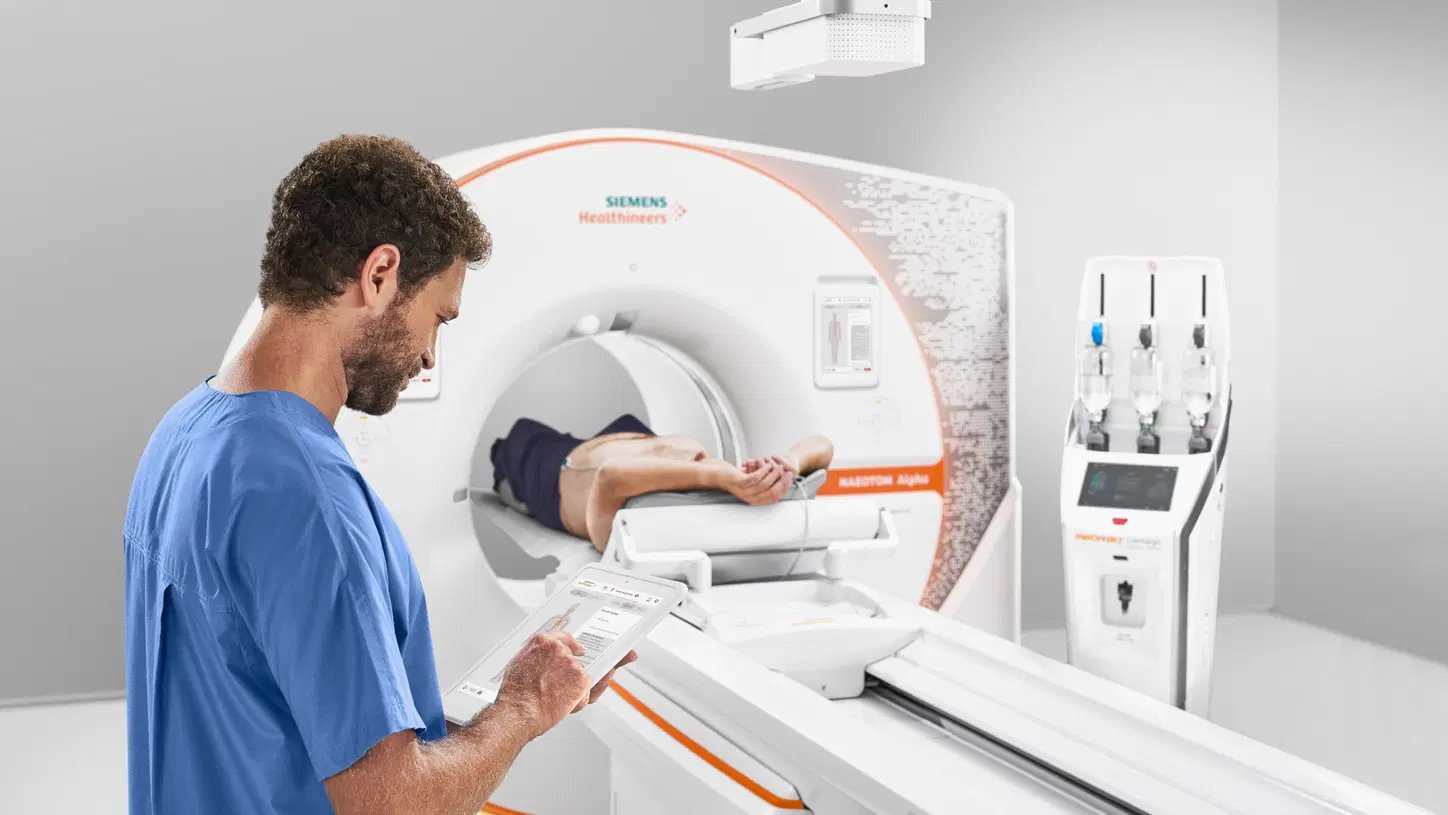
Lung Cancer Screenings Grow More Popular Than Ever
Did you know that not only did reimbursement go up for low-dose lung cancer screenings, but the number of people eligible recently increased as well?
Reimbursement of the procedure now clocks in at $111.19, up from $80.90, and that additional $30 and change can really add up over time. Especially when you consider that, in 2022, the National Coverage Determination was expanded by the Centers for Medicare & Medicaid Services.
Previously, for a patient to be eligible for the procedure, they had to be 55 and able to attest that they smoked 30 packs of cigarettes or more per year. However, those metrics have each been lowered, to 50 years and 20 packs. This has dramatically expanded the number of patients who might benefit from a screening, and it’s created unprecedented reimbursement opportunities for providers willing to embark on a screening program in their community.
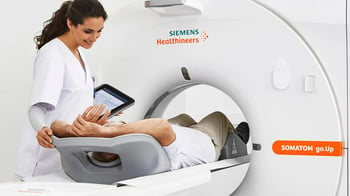
This is leading to an increased uptake of systems that enable radiologists to offer these procedures. The SOMATOM go.Up is one such system, providing mobile controls that can improve workflows for both patients and technologists. By using a tablet and a remote control, the patient can receive more focus from the technologist, creating a better experience for both. And tools on the system aim to reduce dose without compromising image quality.
Those who opt to offer low-dose lung cancer screenings have two options to consider: a standard CT system installed within a hospital or imaging facility, or a mobile solution that can actually be driven out into the community. In areas where it’s traditionally been difficult to get patients to come in for their exams, this might be the right option, as it lets you host screening events yourself or take part in festivals and other organized activities already happening in your community.
Whatever the choice, it’s clear that low-dose lung cancer screening has become an increasingly prominent focus in the field. Given the increased reimbursement rates and eligible population, there’s never been a better time to explore a program if you have yet to do so.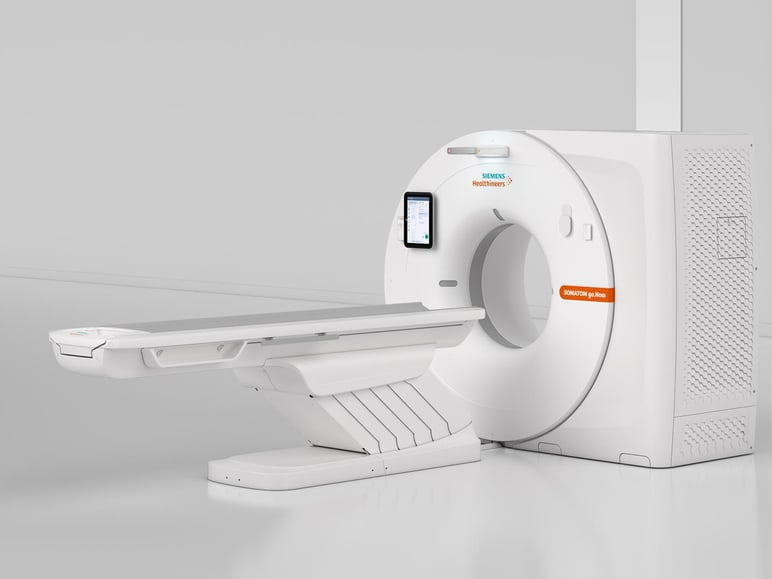
Mobile CT Becomes More Common
Another type of mobility is also having a moment, although this version is being wheeled around a hospital, not driven around a community.
One of the biggest challenges facing providers in the ICU is the process of getting patients to the CT scanner. If a patient has sustained head trauma, you’ve traditionally needed highly qualified team members on hand to transport the patient to the CT scanner, and such transport is always going to carry inherent risk, even in the best of circumstances.
To reduce this risk, and to address ongoing staffing challenges, many providers have turned to mobile head CT systems that can be brought to the patient rather than the other way around. Scanners such as the SOMATOM On.Site provide the intuitive operation and image quality you expect as a provider, but with the added benefit that they can be moved throughout your facility. As a result, they have the potential to transform how you acquire CT scans of patients suffering from acute head trauma and neurological conditions.
By imaging the head directly at the point of care, you can reduce time, address staffing concerns and provide a high-quality experience to patients and staff alike.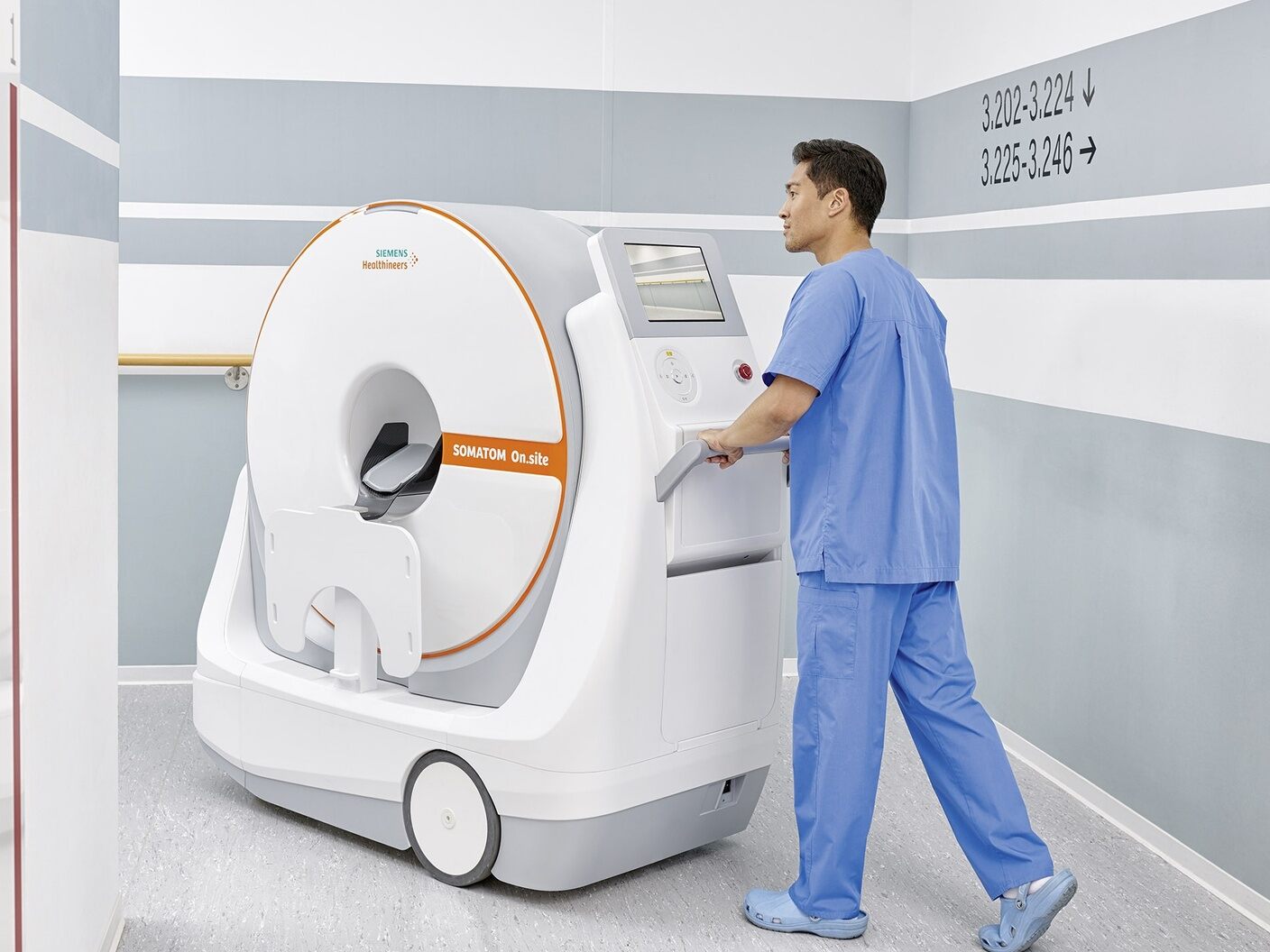
Thinking Beyond the Scanner
Finally, we would be remiss not to mention the exciting innovations happening around the CT system, in the suite where imaging takes place.
In a bid to provide an exceptional experience, especially for pediatric patients and others who find themselves getting anxious when coming in for a CT scan, many providers have opted to turn their CT suites into veritable art installations. Modern technology is such that you can adjust the setup, lighting and imagery within the imaging space to completely transform the environment from a utilitarian, clinical-looking space to something else entirely.
More and more providers have sought to create a soothing experience for all patients, and what they’ve found is that this can also have a positive effect on technologists and workflows. Reducing stress by relying on lighting, art and projection technology is becoming far more common, whereas it used to be reserved only for the most high-volume facilities.
When combined with a scanner that features state-of-the-art technology, it’s possible to truly revolutionize CT at your organization.
They Built This CT for Top Workflows
CT has come a long way. Whether it’s photon-counting technology that’s only starting to make its imprint, mobile systems that can improve intensive care, or technology that enables you to provide important screenings to your community, CT has experienced rapid growth in just a short time.
Learn more about products in the CT space today!





Comments